Changing Lives Through High-Quality APM® : Progressive ABA Approach for Autism Treatment in Korea & Worldwide
Since 1994, Autism Partnership has been dedicated to providing high-quality APM® autism treatment for children with ASD across multiple countries, including Korea.Our APM® model is a progressive, evidence-based autism treatment grounded in Applied Behavior Analysis (ABA), designed to deliver flexible, individualized, and highly effective learning experiences that support meaningful, long-term progress.
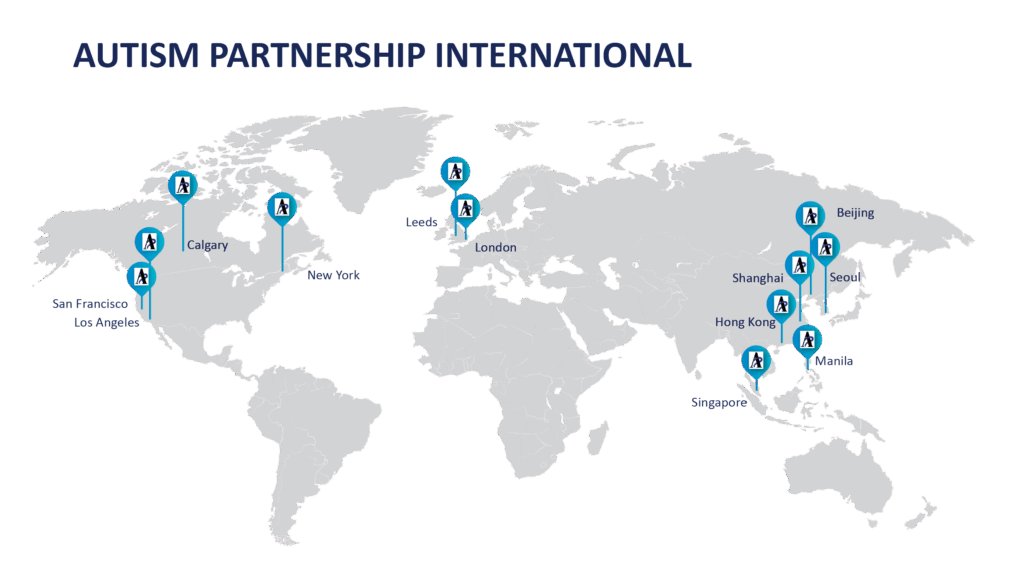
Autism Partnership provides high-quality APM® autism treatment services across 14 centers in 7 countries and 12 cities worldwide, delivering flexible, evidence-based autism therapy for children with ASD and comprehensive autism support for families.
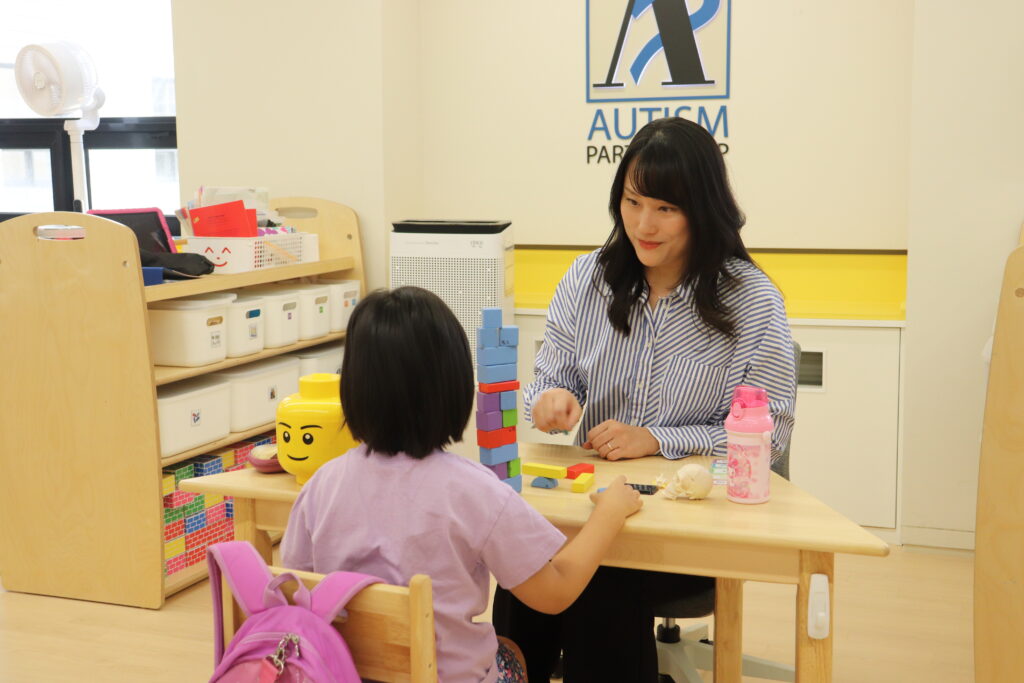
Established in Seoul in 2013, AP Korea provides intensive, individualized APM® autism treatment tailored to each child’s needs.
Autism Partnership offers flexible treatment services in 8 countries, 12 cities.
Find our centers near you.
Autism Partnership - A Belief That Started Everything
It Began with a Question
What if children with ASD were not limited by their diagnosis —
but by how they were taught?
In the 1970s, a group of young clinicians began working together at the UCLA Young Autism Project. Under the mentorship of Dr. O. Ivar Lovaas, they were immersed in every aspect of early autism intervention — teaching, supervision, curriculum development, parent training, and research.
They did not simply apply methods.
They studied how children responded.
They asked why some learned faster — and why others stalled.
That question would shape decades of work.
Where Practice Met Purpose
During their years at UCLA, Ronald Leaf and John McEachin (the co-founders and directors of Autism Partnership) were involved in the foundational work of behavioral intervention for autism. They contributed to curriculum development, behavioral strategies, research studies, publications, and international conferences that would influence the field for years to come.
But more importantly, they saw something clearly:
Progress was not just about what was taught —
it was about whether a child had learned how to learn.
Motivation, attention, flexibility, and engagement mattered.
Without them, skills faded. With them, learning accelerated.
The Decision to Do More Why Autism Partnership Was Formed
Why Autism Partnership Was Formed
By the early 1990s, the need for high-quality, comprehensive autism services had grown rapidly — but consistency and depth were still lacking.
In 1994, Autism Partnership was formed in the United States with a clear purpose:
to bring together decades of clinical experience and refine autism treatment into something more responsive, more individualized, and more effective.
AP was not built as a program to be copied.
It was built as a practice to be refined.
From the beginning, services were designed to adapt to the child — not force the child into a fixed model.
Led by Clinicians, Grounded in Experience Leadership That Advances Autism Treatment Practice
Autism Partnership continues to be led by our directors including Toby Mountjoy, Dr. Ronald Leaf and Dr. John McEachin and professional clinicians whose careers span decades of autism treatment, research, and training.
Our directors remain closely involved in clinical oversight, program development, and staff training — ensuring that decisions are guided by outcomes, not trends.
This leadership continuity is what allows Progressive ABA to remain both rigorous and responsive, even as the field evolves.
Previous slide
Next slide
Quality Intensive APM® Treatment Programs for Autism
The Autism Partnership Method®
The AP Method®
Built on over 30 years of clinical experience and autism research, the AP Method™ develops critical learning, communication, social, and life skills through individualized, evidence-based intervention.
We focus on what matters most — helping children with ASD:
Our Intensive APM® Treatment Programs for children with ASD
We devote our expertise and effort to individualizing every autism treatment program according to each child’s individual needs, paving the way for a future with amazing choices and opportunity.
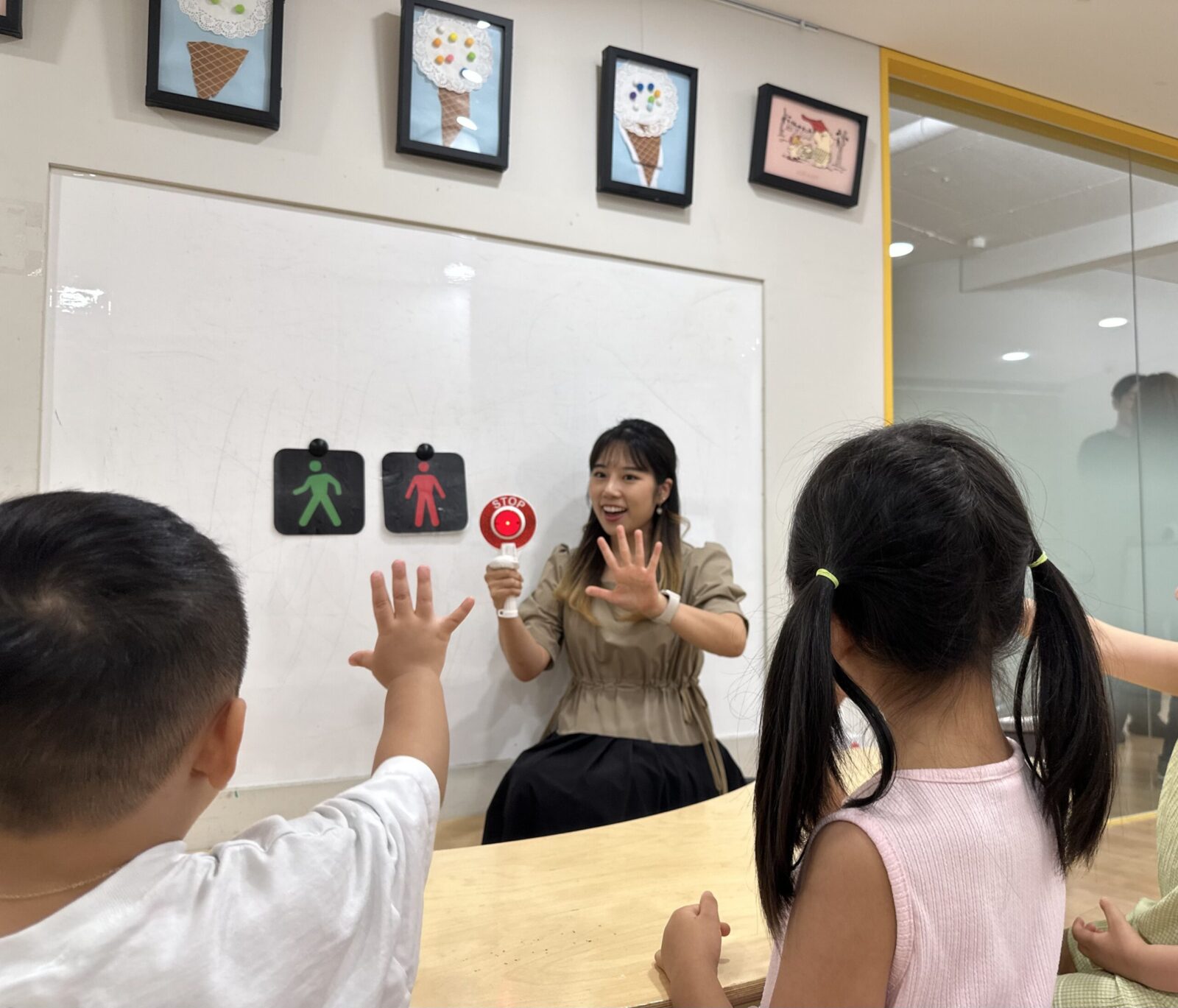
We offer a range of autism therapy services, including:
Every child is unique. Our free consultation is designed to help you better understand your child’s strengths, developmental needs, and the support that may be most appropriate.
During the consultation, our experienced clinical team will:
Discuss your concerns and answer your questions
Observe your child's current skills and learning style
Explain the Autism Partnership Method® (APM®)
Recommend individualized next steps if treatment is appropriate
Take the first step toward understanding your child’s needs.
Meet Our APM® Clinical Team in Korea
At Autism Partnership Korea, our experienced consultants have dedicated decades to supporting children with ASD. Extensively trained in the Autism Partnership Method® (APM®), they provide individualized, evidence-based intervention tailored to each child’s unique strengths, learning style, and developmental goals.
Autism is a severe disruption of the normal development process and is often diagnosed within the first few years of life. Autism is viewed as a spectrum or a continuum of disorders, with varying degrees of severity and levels of functioning.
Prevalence of ASD
According to the latest report from the Centers for Disease Control and Prevention (CDC), approximately 1 in 31 (3.2%) 8-year-old children in the United States were identified with ASD in 2022. This reflects an increase from the 2020 estimate of 1 in 36 (2.7%).
Cause of ASD
Although the prevalence of autism continues to increase, its exact cause remains unknown. Research suggests that genetics play an important role in the development of ASD. Studies have found that identical twins are significantly more likely to both have ASD than fraternal twins, and ongoing research continues to identify genetic factors that may increase a child's likelihood of developing autism.
Signs and Symptoms of ASD
With advances in diagnostic practices, most children with autism can be reliably identified by around age 3, with some cases recognized as early as 12 months. While presentation varies across individuals, autism is characterized by challenges in several core developmental areas:
• Delays or differences in language and communication
• Difficulties in cognitive and adaptive functioning
• Challenges in social interaction and forming relationships
• Restricted, repetitive, or stereotyped patterns of behavior and interests
Leap of Faith -Stories of Parents
“The changes in Taehooafter the five-day Jump Start program are truly remarkable. This development could not have been achieved with medication alone. It demonstrates that with the right support, these improvements are possible.”
Autism is a severe disruption of the normal development process and is often diagnosed within the first few years of life. Autism is viewed as a spectrum or a continuum of disorders, with varying degrees of severity and levels of functioning.
Written by a team of renowned professionals, AP offers a selection of books and teaching tools for parents, professionals and educators on autism and ABA program strategies.