Autism Partnership Method® (APM®)
A Progressive ABA Approach Built on Decades of Research and Clinical Experience Since its establishment in Seoul in 2013, Autism Partnership Korea has provided high-quality, individualized therapy for children with autism spectrum disorder (ASD) using the Autism Partnership Method® (APM®), a Progressive ABA approach developed by Autism Partnership.


What is Autism Partnership Method® (APM®)?

Play Video

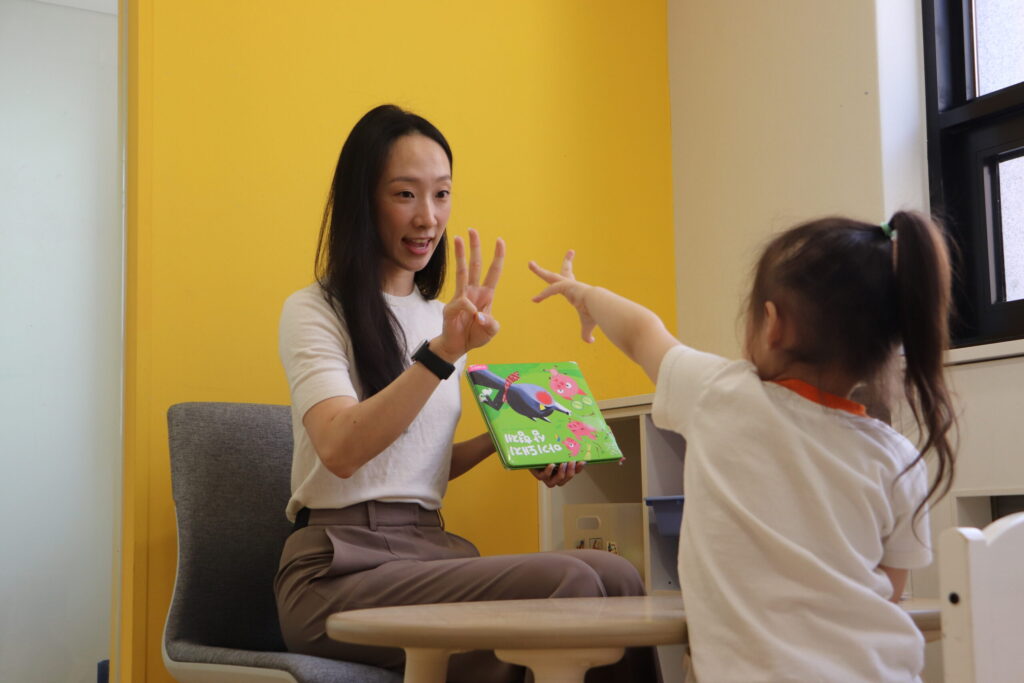
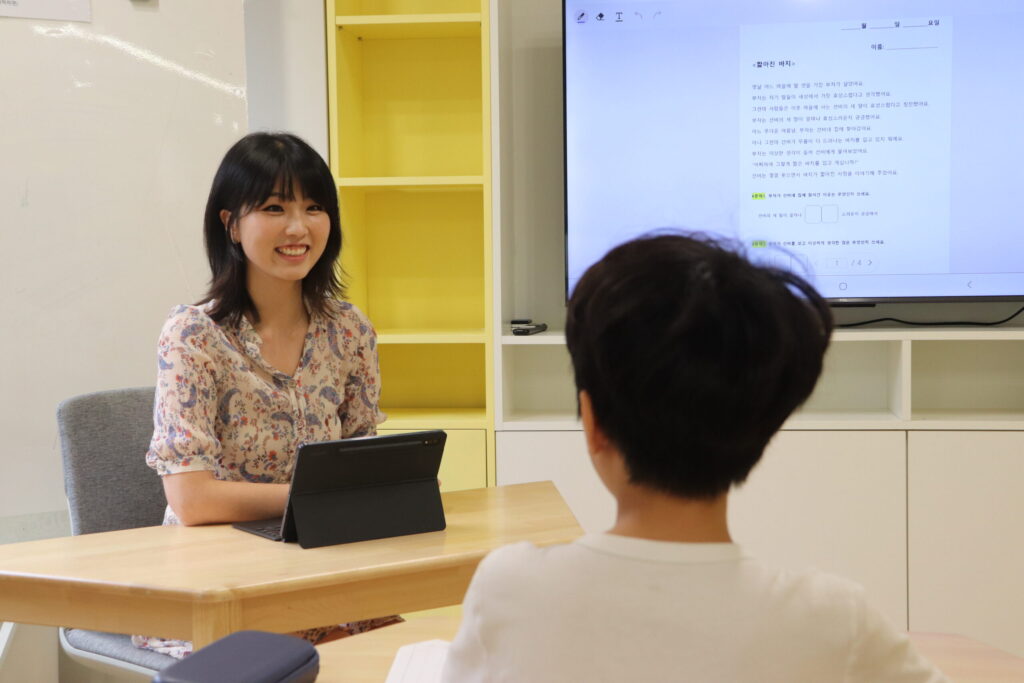
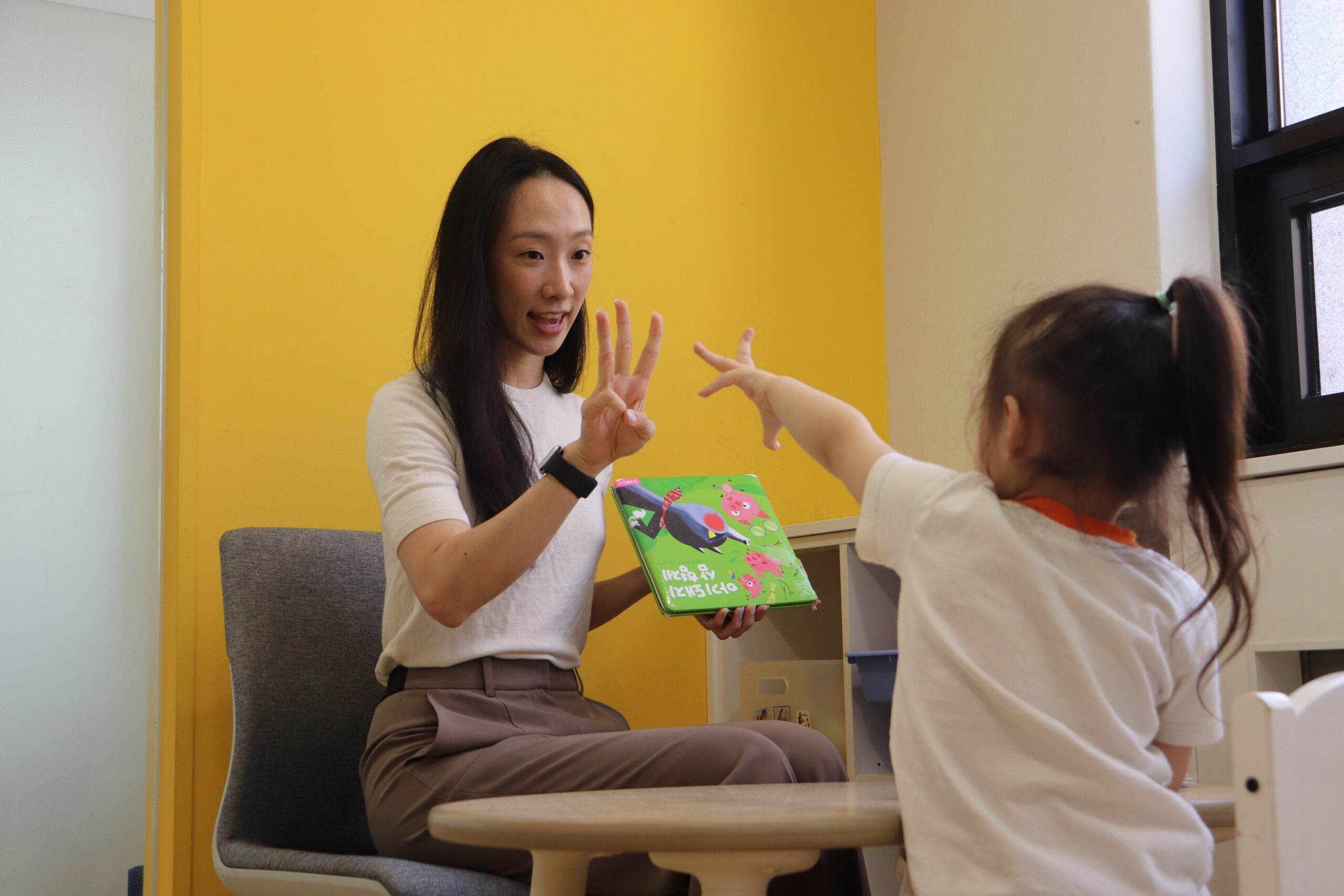
Developed by Autism Partnership, the Autism Partnership Method® (APM®) is a progressive model of Applied Behavior Analysis (ABA) and a high-quality treatment approach for children with autism spectrum disorder (ASD). Built on over 30 years of research and clinical experience, APM® goes beyond conventional ABA by emphasizing real-time, in-the-moment teaching and strong clinical judgment. This enables therapists to continuously adapt to each child’s needs, delivering a program that is both flexible and systematic. Through this approach, APM® supports the development of meaningful, functional skills—helping children improve communication, behavior, social interaction, and learning readiness, with a focus on achieving lasting, real-world progress.

What is Applied Behavior Analysis (ABA)?

Applied Behavior Analysis (ABA)

Applied Behavior Analysis (ABA) is one of the most extensively researched and evidence-based approaches for supporting children with Autism Spectrum Disorder (ASD). Supported by more than 60 years of scientific research, ABA has been shown to help children develop communication, social, learning, and daily living skills while making meaningful progress toward greater independence.

How does ABA therapy work?

In simple terms, ABA helps us understand how a child learns and why certain behaviors occur. Based on this understanding, therapists teach important skills such as communication, social interaction, learning, and daily living, while helping reduce behaviors that may make learning more difficult.

ABA therapy works by:

· Breaking skills down into small, manageable steps

· Teaching each step clearly and systematically

· Using positive reinforcement to motivate learning

· Tracking progress through consistent, data-driven methods

· Helping children apply skills across different settings, not just during therapy

Is all ABA the same? How is APM® different?

While all ABA is based on the same core principles of learning and behavior, not all ABA is the same.

In practice, ABA can vary significantly depending on how it is applied. Different providers may take approaches that range from highly rigid and protocol-driven to more flexible and naturalistic. The quality of outcomes often depends not only on the approach itself, but also on the clinical judgment, experience, and skill of the clinical team delivering the program.

At Autism Partnership, we believe the most effective treatment strikes a careful balance—being flexible and responsive to the child in the moment, while still maintaining a systematic and evidence-based approach. We call this the Autism Partnership Method® (APM® ), a progressive form of ABA developed through over 30 years of clinical experience and research. Our APM® Progressive ABA programs focus on the skills that matter most for long-term success, including behavior management, communication, social interaction, “learning how to learn,” and everyday independence. We teach in a fun and engaging way using natural motivation, helping children enjoy the learning process while making meaningful, lasting progress.

Core Components of Autism Partnership Method® (APM®)

Under the APM®, our Progressive ABA therapy program focuses on

Teaching Children “Learning How to Learn” is Essential

At Autism Partnership, we focus on teaching children how to learn by actively guiding and supporting them. This approach helps accelerate progress and reduce developmental gaps, especially during the critical early years. By building strong learning skills, children are better equipped to make meaningful, lasting progress.

Key “Learning How to Learn” skills we target include:

Key Elements for Achieving the Best Outcomes in Children with ASD

Research in Applied Behavior Analysis (ABA), including studies conducted by Autism Partnership, consistently shows that children who make the most meaningful progress tend to share several key elements in their intervention. These factors work together to support stronger, more consistent developmental gains over time:

A 2022 study by Autism Partnership Foundation highlights why Progressive ABA can make a meaningful difference in a child’s development.

The study found that children with ASD receiving Progressive ABA therapy learned skills more quickly, made fewer errors, and became more independent compared to those in more traditional ABA programs. Children were also better able to apply what they learned in real-life situations, suggesting that a flexible, individualized teaching style—focused on strong foundations and real-time adjustments—can lead to more effective and lasting progress.

A method backed by promising treatment results

Key Elements to Achieve the Best Outcomes by Children with ASD

There are several studies demonstrating the effectiveness of Applied Behavior Analysis (ABA) for people diagnosed with ASD, including a study conducted by Autism Partnership (2011). In these studies, the children with the best possible outcomes had these key elements in common:

Thank You!

The form was submitted successfully

Thank you for contacting us

All information received will always remain confidential. We will contact you as soon as we review your message. Thanks

Thank You!

The form was submitted successfully

This site is registered on wpml.org as a development site. Switch to a production site key to remove this banner.